Bed bugs are difficult to eliminate because they hide in crevices that sprays cannot reach and their eggs are resistant to most insecticides. The most effective DIY approach combines a thorough physical preparation (vacuuming, washing, encasing) with a contact-kill spray on the bed frame and surrounding areas, and diatomaceous earth applied to harbourage points and room perimeters. For anything beyond a very light early infestation, professional heat treatment is the most reliable solution available.
A word of warning: bed bugs are one of the hardest pests there is to get rid of. Do not think that throwing out your bed solves it. It rarely does. They do not just live in the mattress. They hide in the seams of the bed frame, along skirting boards, behind pictures and wallpaper, and even inside electrical sockets. You have to find and treat every one of those spots, not just the obvious ones. Do your research on where they hide before you start, and treat the lot. This is exactly why, if you have had a good go and they keep coming back, we recommend getting a professional in. There is no shame in it with bed bugs, they beat a lot of people.
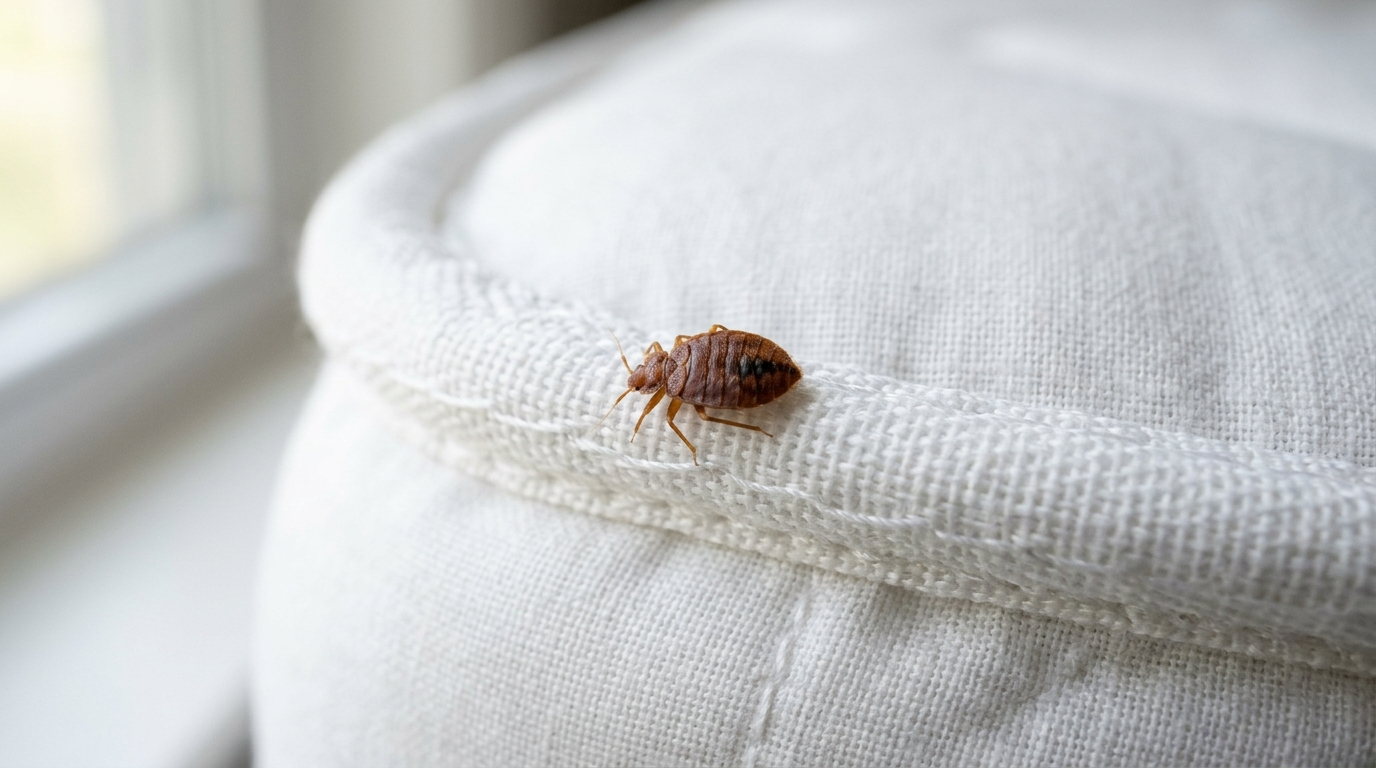
How do bed bugs get into your house?
Bed bugs do not arrive because of poor hygiene. They are hitchhikers. The most common routes into a home are hotel or hostel luggage, where eggs or insects hide in seams and folds of bags, second-hand mattresses and bed frames, upholstered furniture bought from auctions or online marketplaces, and visits from or to other infested properties.
They are also found in cinemas, public transport, and office furniture, though introduction via these routes is less common. A pregnant female bed bug introduced on a suitcase can establish a full infestation within a few months. Once inside, they spread by moving along walls, floors, and through electrical sockets to adjacent rooms or neighbouring flats.
What is the best product for bed bugs?
There is no single product that solves a bed bug problem by itself. Effective treatment requires a combination of physical measures and chemical treatment, applied thoroughly and repeatedly.
A contact-kill insecticide spray formulated for bed bugs, ideally containing a pyrethroid such as permethrin or deltamethrin alongside a synergist, is the chemical of choice for DIY treatment. It kills bed bugs that are directly contacted by the spray but has no residual effect on eggs. This means a second treatment is always needed ten to fourteen days later to catch newly hatched nymphs.
As an Amazon Associate I earn from qualifying purchases.
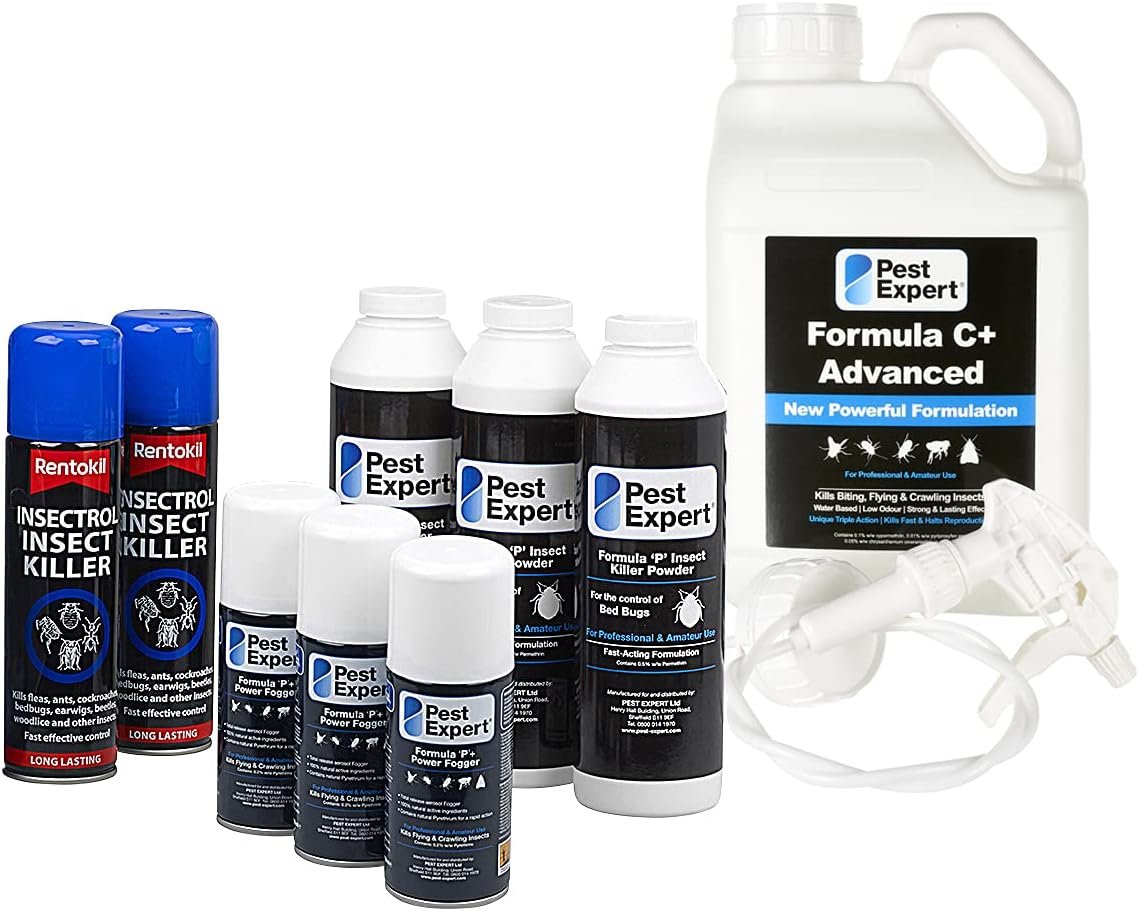
What to look for: a complete bed bug treatment kit, not a single can. A good kit gives you a spray for the mattress seams, bed frame and skirting, and usually a powder for the gaps and cracks where bed bugs hide. Treating the whole area, not just the top of the mattress, is what clears them. Always read the label and follow it, and treat again after a week or two to catch any that have hatched.
Check price on AmazonDiatomaceous earth is a natural powder that kills bed bugs by damaging their outer shell, causing them to dehydrate. It has no residual insecticide effect but provides long-lasting physical action and can be applied in areas where chemical sprays are not suitable, such as inside electrical sockets (switched off at the mains) and along the back of skirting boards.
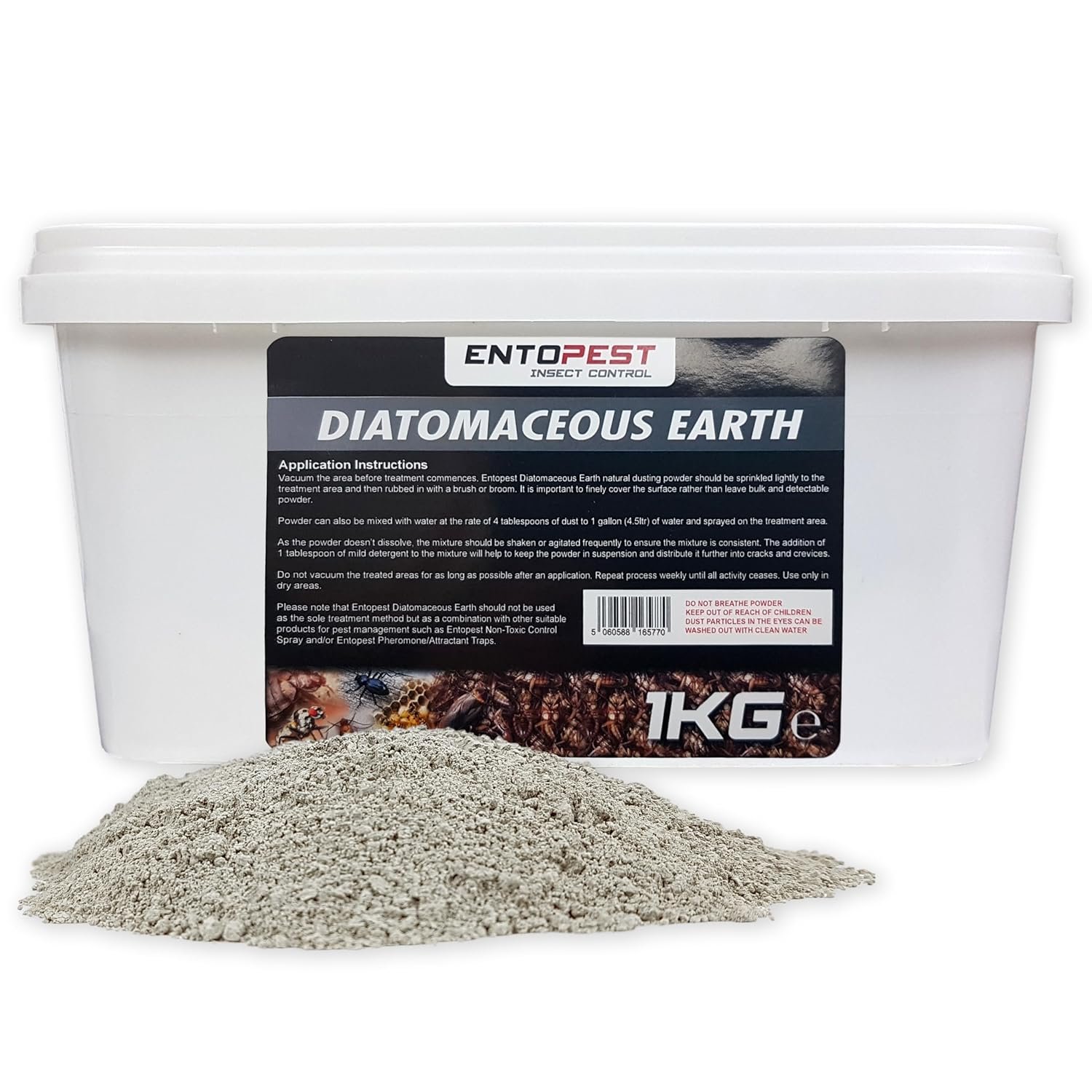
What to look for: a fine, natural diatomaceous earth powder. It kills bed bugs by drying them out rather than by chemicals, so it keeps working for a long time and is useful in spots where you would not spray, like along the back of skirting boards and inside switched-off electrical sockets. Apply a very light dusting, not thick piles. Keep it away from anywhere it could be breathed in, and wear a mask when applying it. Always read the label before use.
Check price on AmazonAs an Amazon Associate I earn from qualifying purchases.
As an Amazon Associate I earn from qualifying purchases.
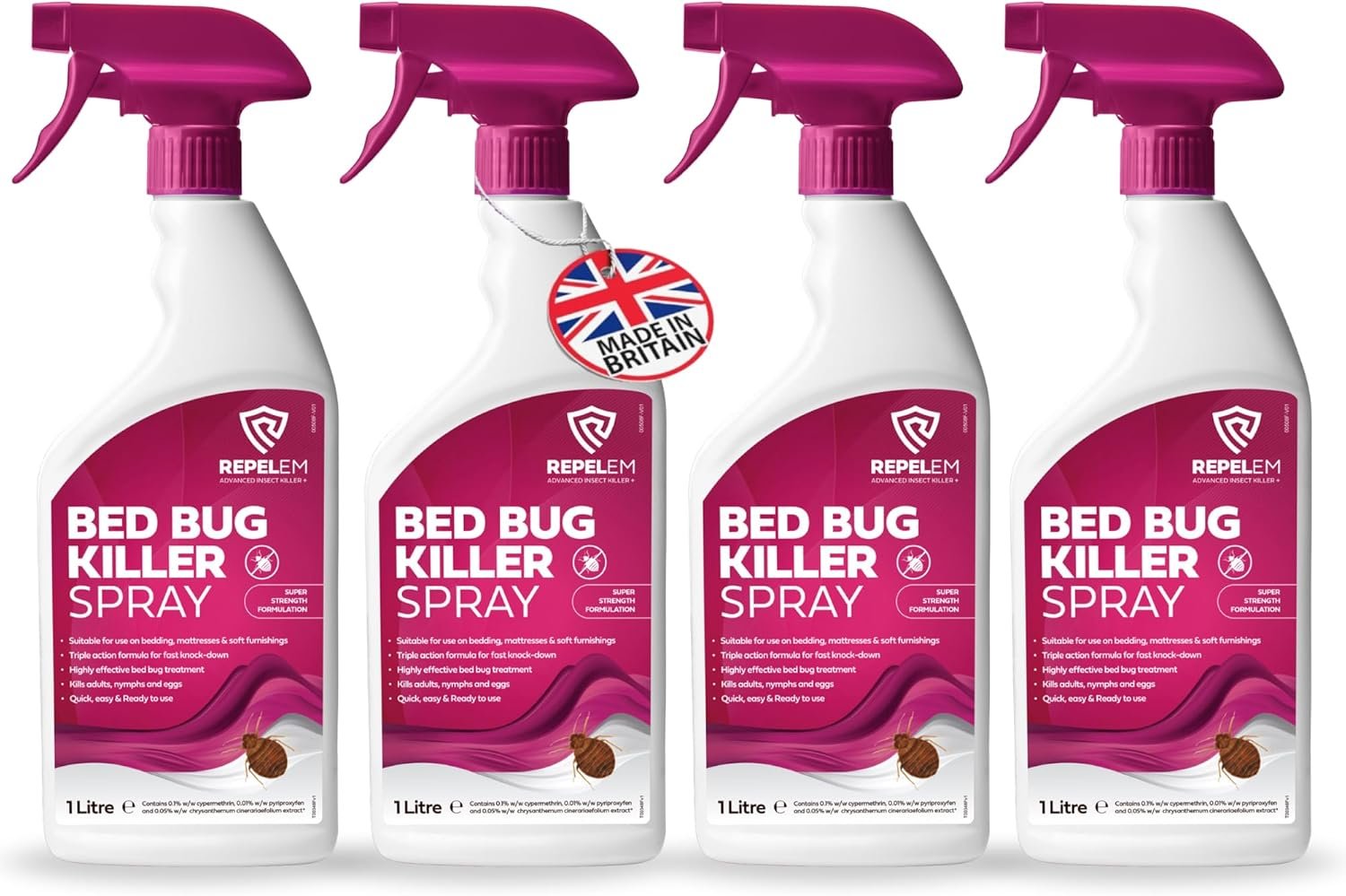
What to look for: a ready-to-use bed bug spray you apply straight onto the mattress seams, the bed frame, the headboard and the skirting near the bed. Work it into every seam, joint and gap, because that is where bed bugs sit through the day. Spray, let it dry, and treat again a week or so later to catch any that have newly hatched. Always read the label before use.
For a full bed and room you will usually need more than one bottle to get on top of the job. One bottle rarely covers everything that needs treating.
Check price on AmazonWhat to avoid
Foggers are one of the worst things you can do with a bed bug infestation. The insecticide does not penetrate into the seams, cracks, and joints where bed bugs hide, but the repellent effect drives them out of the main bedroom and into other rooms in the property. You spread the infestation rather than treat it. Professional pest controllers do not use foggers for bed bugs.
If you move rooms while leaving an active infestation, the bed bugs will follow you. They are attracted by body heat and carbon dioxide. Moving rooms spreads the infestation and complicates treatment. Stay in the treated room.
Unless the mattress is already encased and ready to dispose of, moving it through the house can spread live bed bugs to other rooms. If the mattress needs to go, encase it in a mattress encasement first, seal it, and then dispose of it. The bed frame is often as heavily infested as the mattress anyway.
How to use it properly
Preparation is the most important step. Before any chemical treatment, strip all bedding and wash at 60 degrees or tumble dry on high heat for 30 minutes. Vacuum the entire mattress, particularly seams and corners, the bed frame including all joints and screw holes, the carpet around the bed out to at least a metre, and behind any furniture near the bed. Seal the vacuum bag immediately and dispose of it outside.
Apply contact spray to all surfaces of the bed frame, the mattress seams (top and bottom), the inside of the bed base, the skirting boards around the room, and any cracks in the floor or walls. Allow to dry fully before replacing bedding. Fit a bed bug-proof mattress encasement over the treated mattress. This traps any surviving bugs inside and protects the mattress from reinfestation.
Apply diatomaceous earth around the perimeter of the room, under the bed base, and in any electrical outlets (with power off at the mains). Repeat the spray treatment after ten to fourteen days to kill any newly hatched nymphs.
When to call a professional
I would recommend professional treatment for most bed bug infestations beyond the very earliest stage. Call a pest controller if:
- You have been biting for more than a few weeks before identifying the problem (suggests a larger population)
- Activity is present in more than one room
- DIY treatment with spray and diatomaceous earth has not cleared the problem after two rounds
- You are in a flat and suspect the infestation has spread from a neighbouring property
Professional heat treatment raises the temperature of the room above 56 degrees Celsius for several hours, killing all life stages of bed bug including eggs. It is the most effective single treatment available and does not require any chemical residue. It is more expensive than chemical treatment but often quicker and more reliable for established infestations.
Frequently asked questions
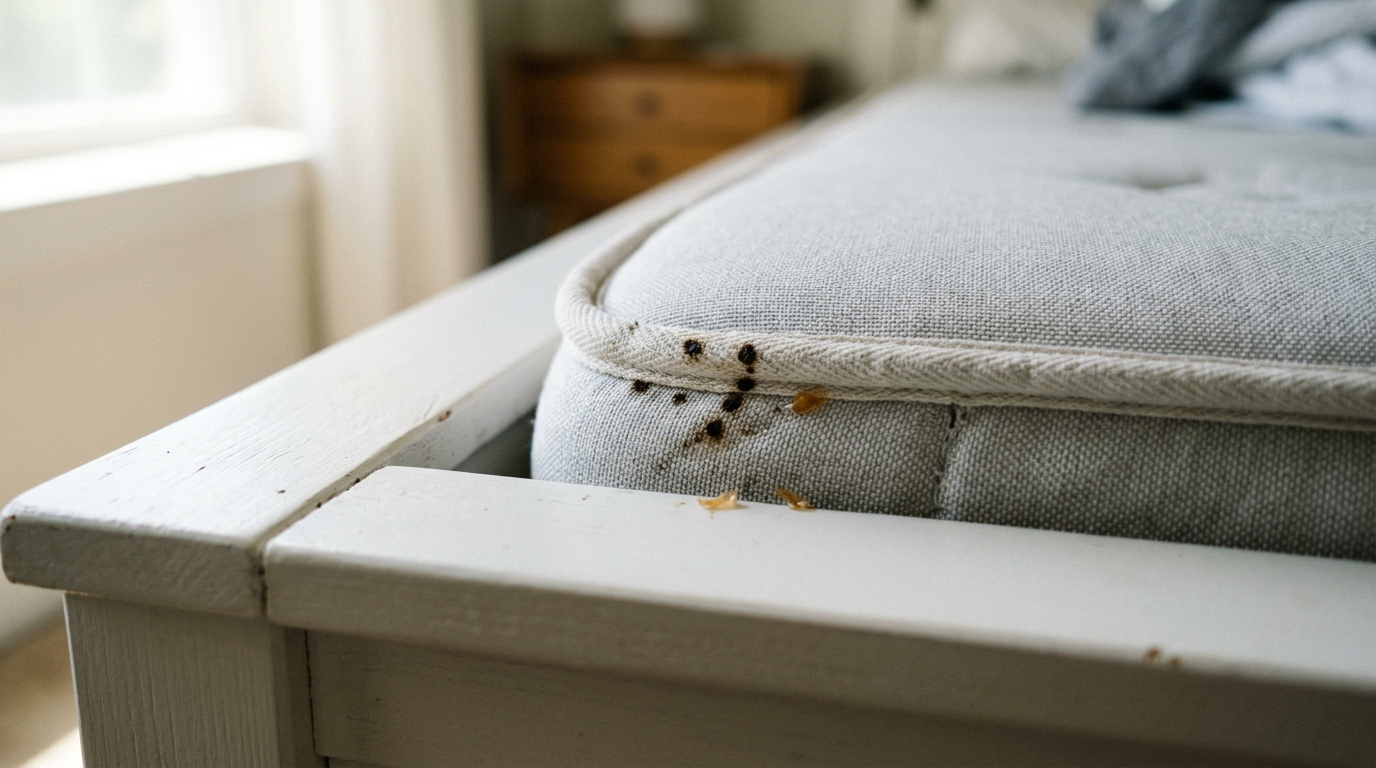
The main signs are bites in lines or clusters on exposed skin when you wake, small dark spots on mattress seams, pale yellow shed skins, and a faint sweet or musty smell in heavier infestations. Inspect the mattress seams, bed frame joints, and behind the headboard with a torch.
They are introduced by people. They most commonly arrive on luggage after hotel stays, in second-hand furniture and mattresses, and on clothing. Cleanliness is irrelevant. Clean homes and hotels are infested as commonly as any others.
Very early infestations can sometimes be managed with thorough preparation, contact spray, and diatomaceous earth. However, bed bugs are resilient and most established infestations require professional treatment for reliable results. Be honest about how long the problem has been present.
No known disease is transmitted by bed bug bites in the UK. However, bites cause itching and irritation that can become infected if scratched, and the disruption to sleep and the psychological impact of an infestation are significant in themselves.
Several months at normal room temperature. In cool conditions even longer. Leaving a room vacant does not solve a bed bug problem. They will wait for a host to return.